Latest insights
Paint Correction Before Ceramic Coating: What San Rafael Luxury Car Owners Must Know
September 30, 2026
By Paradise Detailing
Ceramic Coating and Paint Correction for Luxury Cars in San Rafael: What Owners Need to Know
Applying a ceramic coating over uncorrected paint does not protect your car — it permanently seals in every swirl mark, water spot, and micro-scratch already on the surface. San Rafael's proximity to San Francisco Bay means salt air and fog cycles are constantly attacking your clear coat, which makes getting the surface right before any coating application especially critical. If you skip correction, that hardened ceramic layer makes the defects underneath harder and more expensive to fix later.
Why Paint Correction Must Come Before Ceramic Coating
Ceramic coating is a semi-permanent sealant. Whatever surface condition exists when you apply it is the surface condition you keep — for years.
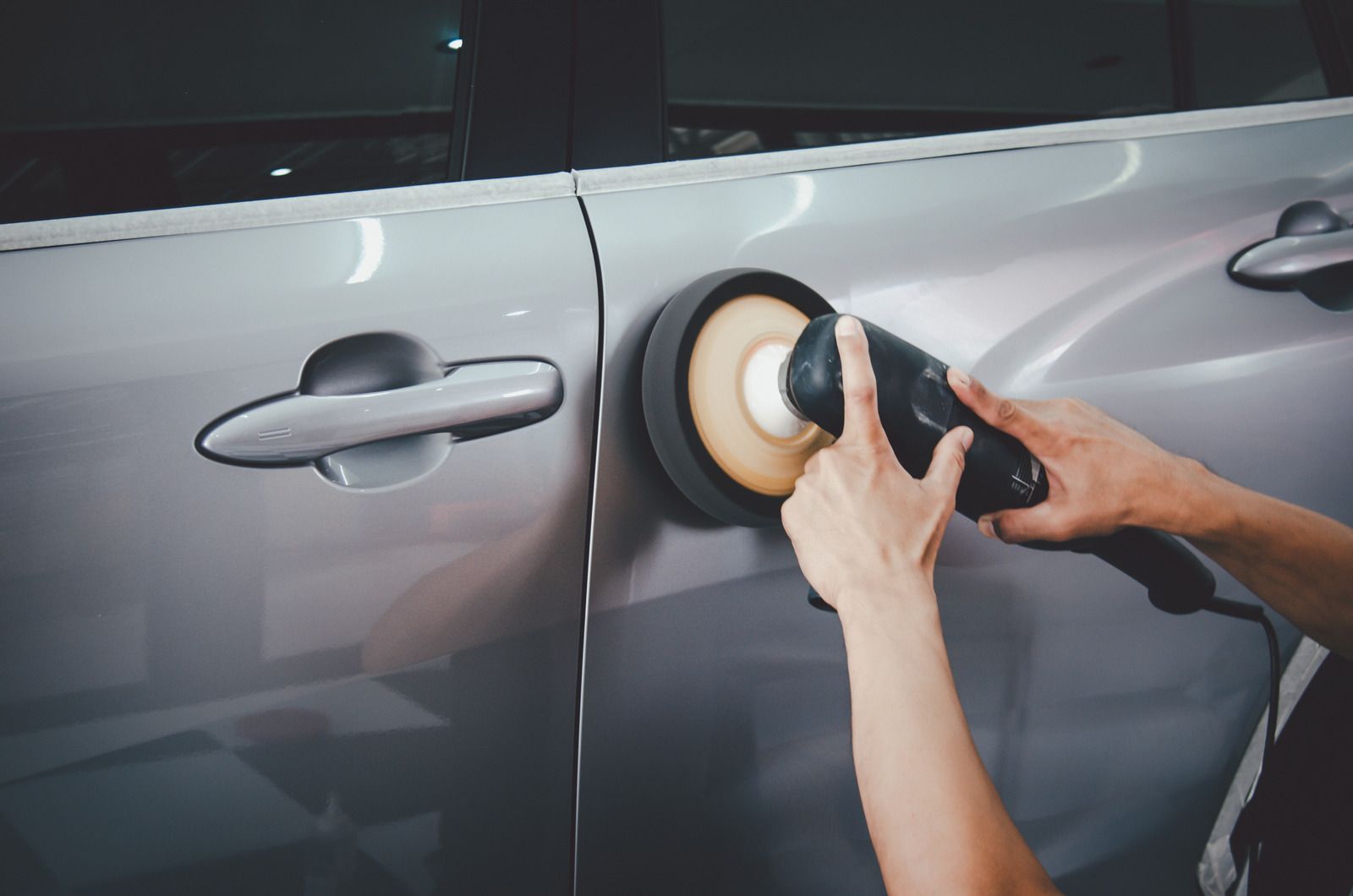
Correction removes or significantly reduces defects in the clear coat: swirl marks left by automatic car washes, water spot etching from repeated fog cycles, and fine scratches from daily use. Once those are addressed, the coating bonds to a clean, uniform surface, which is what produces the deep gloss and reflectivity that luxury finishes are known for.
Think of it like painting a wall. Priming over holes and cracks just traps the damage. Filling and sanding first means the final coat looks flawless and lasts longer. The same cause-and-effect applies to your paint. Learn more about what a proper paint correction service involves before you schedule any coating work.
How Many Correction Stages Does a Luxury Car Actually Need?
Most luxury vehicles benefit from a two- or three-stage process, depending on paint condition and color — not a single-pass polish.
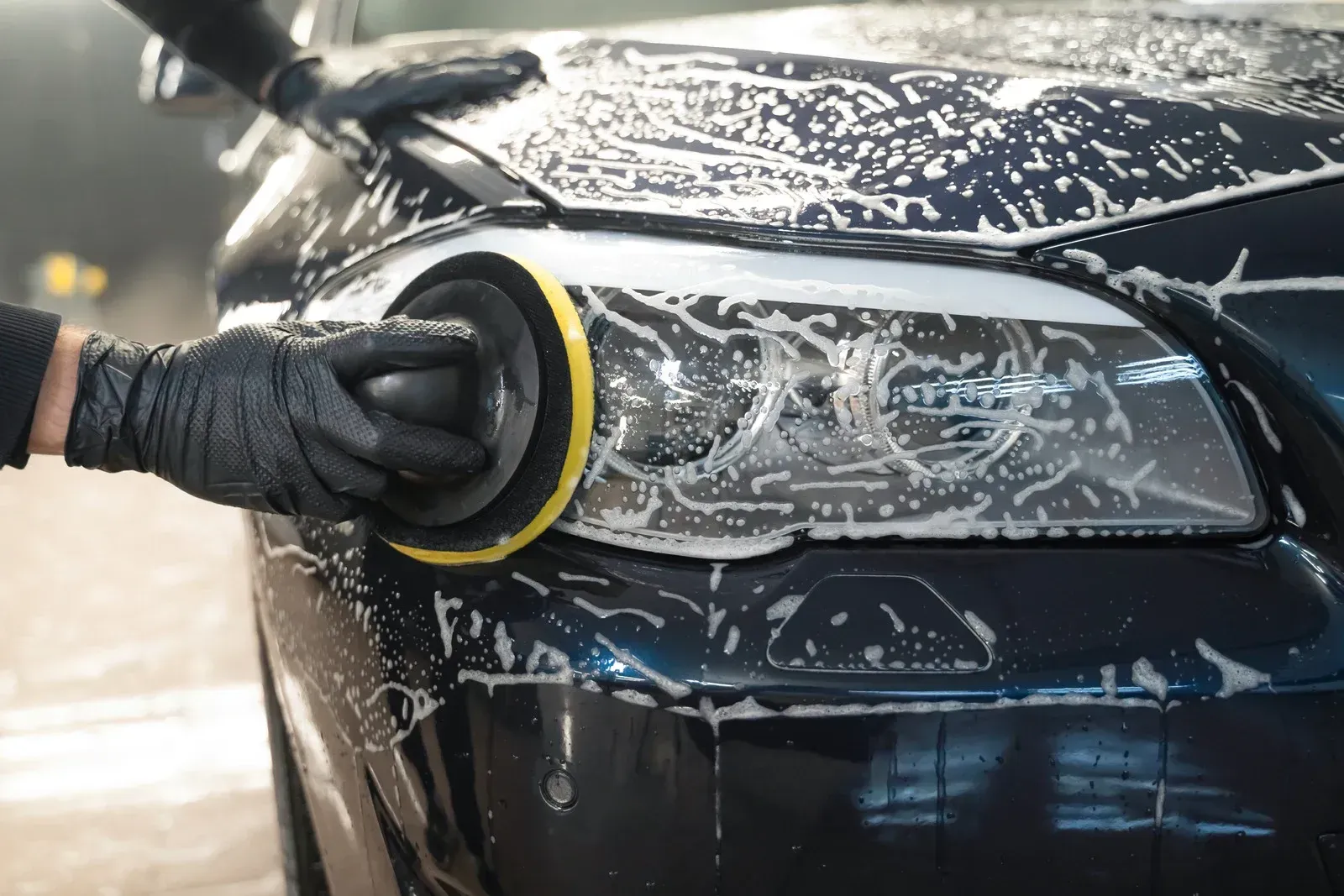
Stage 1 — Decontamination: Before any machine polishing starts, the surface gets a full chemical and mechanical decontamination. Iron fallout remover pulls embedded brake dust and rail dust from the clear coat. A clay bar lifts bonded contaminants that a wash cannot reach. This step matters because polishing over surface contamination grinds that debris into the paint.
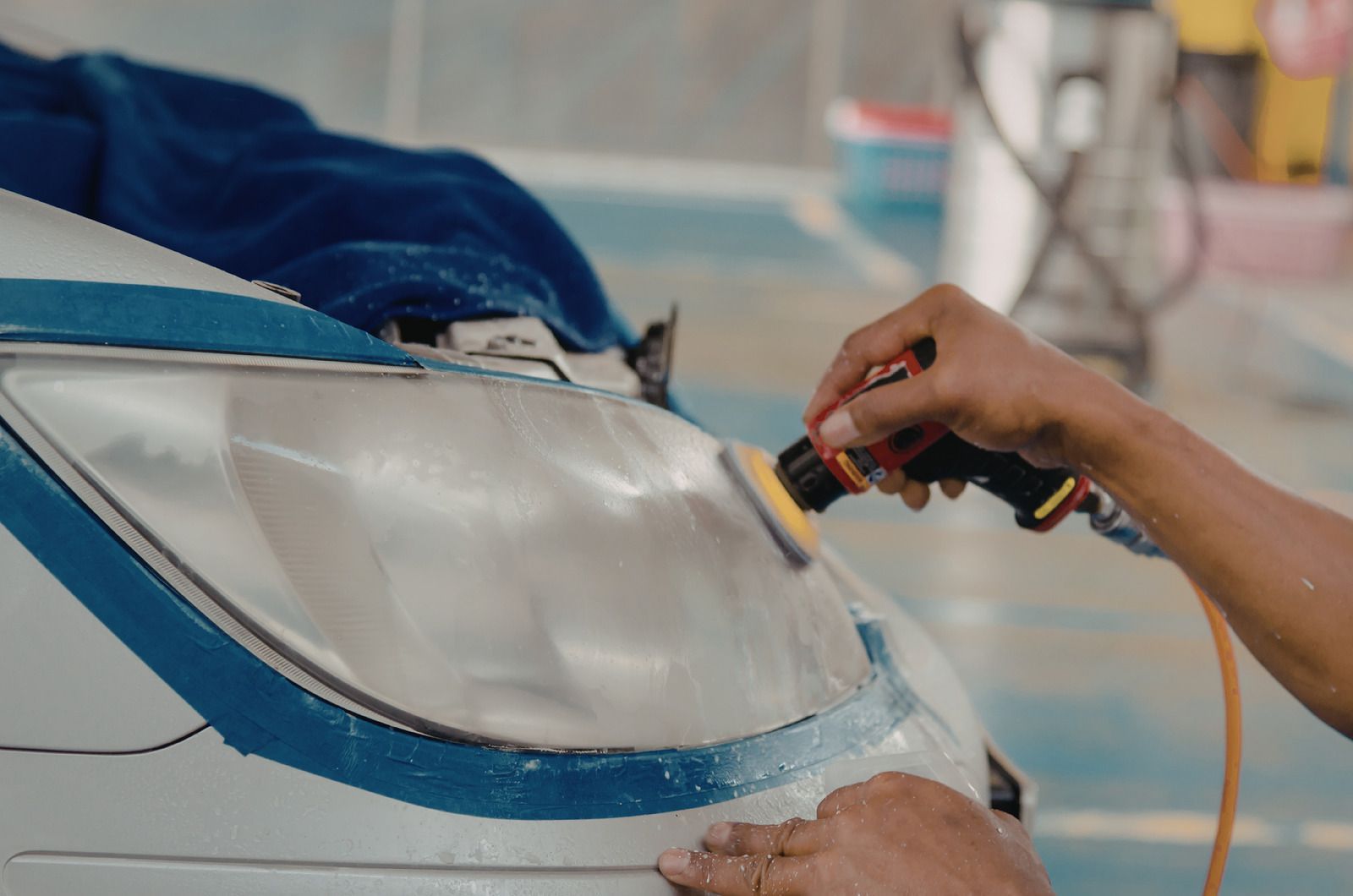
Stage 2 — Compounding (cut stage): A cutting compound with a foam or microfiber pad removes deeper defects — heavy swirl patterns, buffer trails from previous detailing, and moderate scratches. This is the stage that does the real correction work.
Stage 3 — Finishing and jeweling: A finer polish refines the surface after compounding, removing any micro-marring the cutting stage introduced. The result is maximum clarity before coating goes down.
Dark finishes — think BMW Black Sapphire, Mercedes Obsidian Black, or Porsche Jet Black Metallic — are the most unforgiving. Swirl marks scatter light visibly on dark paint in a way that lighter colors mask. These vehicles almost always require at least a two-stage correction to reach a coating-ready surface.
What Is Diamond Body 36 Nanodiamond Coating?
Diamond Body 36 is a professional-grade ceramic coating that goes beyond standard SiO2 formulas by integrating nanodiamond particles into the coating matrix.
Nanodiamond particles are extremely hard and uniform in size. When they cure into the coating layer, they increase surface hardness and scratch resistance above what a standard ceramic product delivers. The result is also a noticeably deeper gloss — particularly visible on dark paint where light reflection is everything.
This is a professional-only product. It is not available at retail, and proper application requires trained technique and a controlled environment. For owners of high-value vehicles, it is a meaningful upgrade over entry-level ceramic products that may need to be reapplied within a year or two. You can review available ceramic coating service options to see how Diamond Body 36 fits into a full protection plan.
How Do Marin County's Coastal Conditions Affect Your Clear Coat?
San Rafael and the broader Marin County area create a specific set of challenges for unprotected or lightly protected paint — and fall is the right time to act before conditions get worse.
Salt air from San Francisco Bay and the Pacific carries particles that accelerate oxidation on bare clear coat. Morning fog deposits moisture that, when it evaporates and repeats daily, causes water spot etching — a chemical reaction between minerals in the water and the clear coat surface. UV rays degrade clear coat year-round in the Bay Area even on overcast days, because UV penetrates marine layer clouds.
Fall is the optimal application window for this reason: UV intensity drops after summer, the rainy season is approaching, and a freshly coated surface acts as a hydrophobic barrier through the wet months. Rain sheets off a properly coated surface rather than sitting and bonding contaminants to the paint. Coating in October or November means your vehicle enters the winter season protected rather than vulnerable.
Does Mobile Detailing Work for Ceramic Coating Application?
Yes — when the application environment is properly controlled, mobile ceramic coating produces the same professional result as a shop setting.
Ceramic coatings require shade, moderate temperature, and low dust during application and initial cure. A skilled mobile operator works in your garage or in a shaded area, times the appointment outside fog or rain windows, and manages the environment the same way a fixed shop would. Marin County's mild fall climate makes this straightforward.
For luxury car owners, mobile service also means your vehicle never sits in a busy shop bay next to other cars. There is no risk of door dings, overspray from neighboring work, or your keys being handed to someone you have not met. The work happens at your home or office, on your schedule, with your car as the only focus.
A boutique, owner-operated approach means the person doing the work is the person accountable for the result — which is a meaningful difference from a volume shop where technicians rotate and accountability is diluted. The combination of a controlled mobile environment and a single skilled operator is what makes this setup work well for high-value vehicles.
Getting the correction-to-coating sequence right protects your investment in both the vehicle and the treatment — a properly prepared surface means the coating performs as designed and your paint looks its best for years.
Schedule your fall appointment with Paradise Detailing to start the process before winter rains arrive.